
For decades, artificial plants have divided opinions in the world of interior design. While some appreciate their practicality and ever-“green” look, others prefer the vitality and real benefits of natural plants.
However, according to the website House Digest, this colorful, artificial decorating trend has long passed its prime: beyond being outdated, it can harm aesthetics, health, and even the environment.
Artificial plants have existed for centuries — the Egyptians used to color leaves and flowers on fabric — but they became popular in the 1950s and 1960s, when plastics rose to prominence. Since then, they’ve had their ups and downs in decor trends, making a comeback in the early 2000s with new technologies promising a more realistic appearance. Yet, despite these advances, the result rarely compares to the natural beauty of living plants.
According to experts at House Digest, the main issue is that artificial plants, especially the cheaper ones, look fake and convey a sense of neglect. “Plastic plants in a home can give the impression that the space isn’t well cared for — and that’s particularly negative during visits or property sales,” note the professionals. Additionally, these pieces collect dust and are difficult to clean, creating an aged and uninviting look.
Another important factor is the environmental impact. The publication explains that artificial plants are made from petroleum-based plastics and can release volatile organic compounds (VOCs), which are harmful to human health. Their production consumes energy and generates pollution, and their disposal contributes to the growing plastic waste in landfills. In other words, besides being aesthetically outdated, they also represent an unsustainable choice.
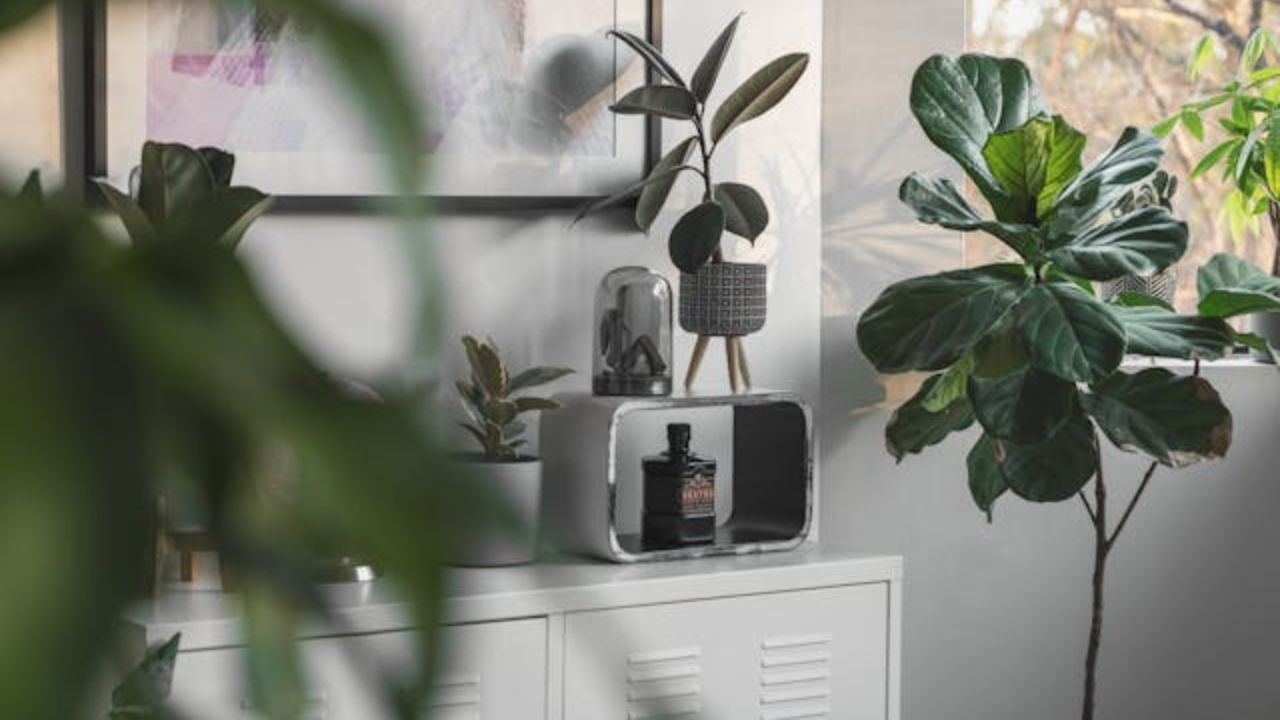
By contrast, natural plants offer countless benefits. They purify the air, reduce stress, boost concentration, and make spaces feel more welcoming. For those seeking convenience, House Digest recommends hardy, low-maintenance species such as snake plants, peace lilies, philodendrons, pothos, and jade plants. These varieties adapt well to indoor environments, even with little light, and require minimal care.
In summary, artificial greenery may seem convenient, but it can’t replace the freshness and energy of living plants. Beyond bringing natural beauty, investing in real plants means choosing a healthier, more sustainable, and vibrant home.
Source: House Digest. This content was created with the help of AI and reviewed by the editorial team.
